
Diabetic Eye Exams: What to Expect and Why They Matter
Diabetic Eye Exams: What to Expect and Why They Matter
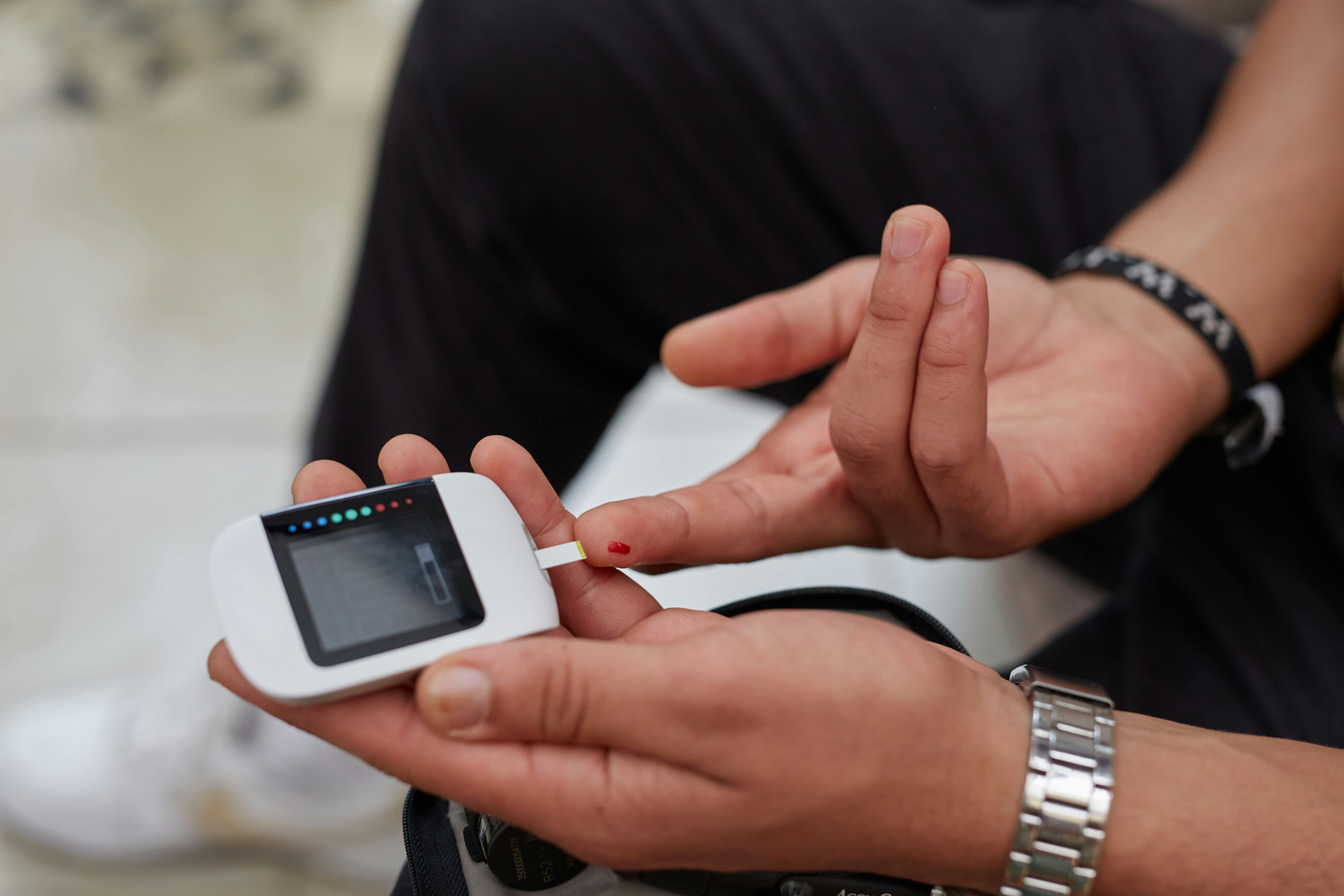
If you have diabetes, you’ve likely heard your primary care doctor or endocrinologist mention the importance of regular eye exams — and there’s a good reason it keeps coming up. Diabetes is one of the leading causes of preventable vision loss in adults, largely because diabetic eye disease often develops without any noticeable symptoms until significant damage has already occurred.
At Cypress Vision Optometry, diabetic eye exams are one of the most important services we provide, and they’re a little different from a standard comprehensive exam.
Why Diabetes Affects Your Eyes
High blood sugar levels can damage blood vessels throughout the body, including the tiny, delicate vessels in the retina — the light-sensitive tissue at the back of the eye responsible for vision. Over time, this damage can lead to a condition called diabetic retinopathy, along with an increased risk of other eye conditions like cataracts and glaucoma.
Diabetic Eye Conditions to Know
Diabetic Retinopathy This occurs when blood vessels in the retina become damaged, leaking fluid or blood. In its early stages, it often causes no symptoms at all, which is exactly why regular screening matters more than waiting for noticeable vision changes.
Diabetic Macular Edema A complication of diabetic retinopathy where fluid buildup causes swelling in the macula (the part of the retina responsible for sharp, central vision), which can significantly affect reading and detail vision.
Increased Cataract Risk Patients with diabetes tend to develop cataracts earlier and more rapidly than the general population. Learn more in our article on [Understanding Cataracts: Symptoms and Treatment Timeline].
Increased Glaucoma Risk Diabetes roughly doubles the risk of developing glaucoma, another condition that can cause vision loss without early symptoms.
What Happens During a Diabetic Eye Exam
A diabetic eye exam includes the same core components as a comprehensive eye exam — see our full breakdown in [What Happens During a Comprehensive Eye Exam?] — with particular attention to:
Dilated retinal examination Your doctor will use dilating drops to widen your pupils, allowing a clearer, more complete view of the retina and blood vessels. This step is essential for detecting early diabetic changes that wouldn’t be visible otherwise.
Digital retinal imaging High-resolution imaging captures a detailed picture of your retina, which can be used both for diagnosis and to track any changes over time by comparing images from visit to visit.
Macular evaluation Special attention is given to the macula to check for swelling or fluid buildup.
Eye pressure testing Given the increased glaucoma risk associated with diabetes, eye pressure is carefully monitored at every visit.
How Often Should Diabetic Patients Get Eye Exams?
Most patients with diabetes should have a dilated eye exam at least once a year, even without any noticeable vision changes. Your doctor may recommend more frequent exams if:
You’ve already been diagnosed with diabetic retinopathy
Your blood sugar has been difficult to manage
You’ve had diabetes for many years
You’re pregnant and have pre-existing diabetes (pregnancy can accelerate diabetic eye changes)
For general guidance on exam frequency for other patients, see [How Often Should You Get an Eye Exam?]
Why Early Detection Is So Critical
The frustrating reality of diabetic eye disease is that significant damage can occur before you notice any change in your vision. By the time symptoms like blurriness, dark spots, or vision loss appear, the disease may already be in a more advanced stage. Regular screening allows your doctor to catch changes early, when treatment options are most effective and vision loss is often preventable.
Working With Your Broader Healthcare Team
Diabetic eye care doesn’t happen in isolation. We routinely coordinate with our patients’ primary care physicians and endocrinologists, since blood sugar management directly impacts eye health outcomes. If we identify signs of diabetic retinopathy or other complications, we’ll help guide you toward any additional specialist care needed. [Internal link: Eye Disease Management]
Take Control of Your Eye Health
If you have diabetes and haven’t had a dilated eye exam in the past year, now is the time to schedule one — regardless of how your vision currently feels.
[Schedule Your Diabetic Eye Exam Today »]
Helpful Articles
article_category: products
article_category: psychiatry
article_category: faqs
article_category: cats
article_category: general
article_category: services
article_category: technology
article_category: dogs
article_category: restorative
article_category: vision therapy
article_category: contact lenses
article_category: health
article_category: conditions
article_category: eye surgery co-management
article_category: exotic
article_category: cosmetic
article_category: surgical procedures
article_category: aesthetics
article_category: preventative
article_category: ocular disease management
article_category: eyeglasses
article_category: eye health
article_category: large animal
[]
article_category: psychiatry
article_category: faqs
article_category: cats
article_category: general
article_category: services
article_category: technology
article_category: dogs
article_category: restorative
article_category: vision therapy
article_category: contact lenses
article_category: health
article_category: conditions
article_category: eye surgery co-management
article_category: exotic
article_category: cosmetic
article_category: surgical procedures
article_category: aesthetics
article_category: preventative
article_category: ocular disease management
article_category: eyeglasses
article_category: eye health
article_category: large animal
[]
Flowbite is an open-source library of interactive components built on top of Tailwind CSS including buttons, dropdowns, modals, navbars, and more.
Check out this guide to learn how to get started and start developing websites even faster with components on top of Tailwind CSS.
All Eye Care Services
Find personalized eye care excellence with our comprehensive services. From eye exams to advanced diagnostics, trust us for all your vision needs.

Keep In Touch
For non-urgent questions or to learn more about our services, contact us today!
© 2026 Cypress Vision Optometry. All rights Reserved - Accessibility Statement - Privacy Policy - Sitemap
Managed and Designed by 