Does My Child Need Glasses? 7 Signs Cypress, TX Parents Shouldn’t Ignore
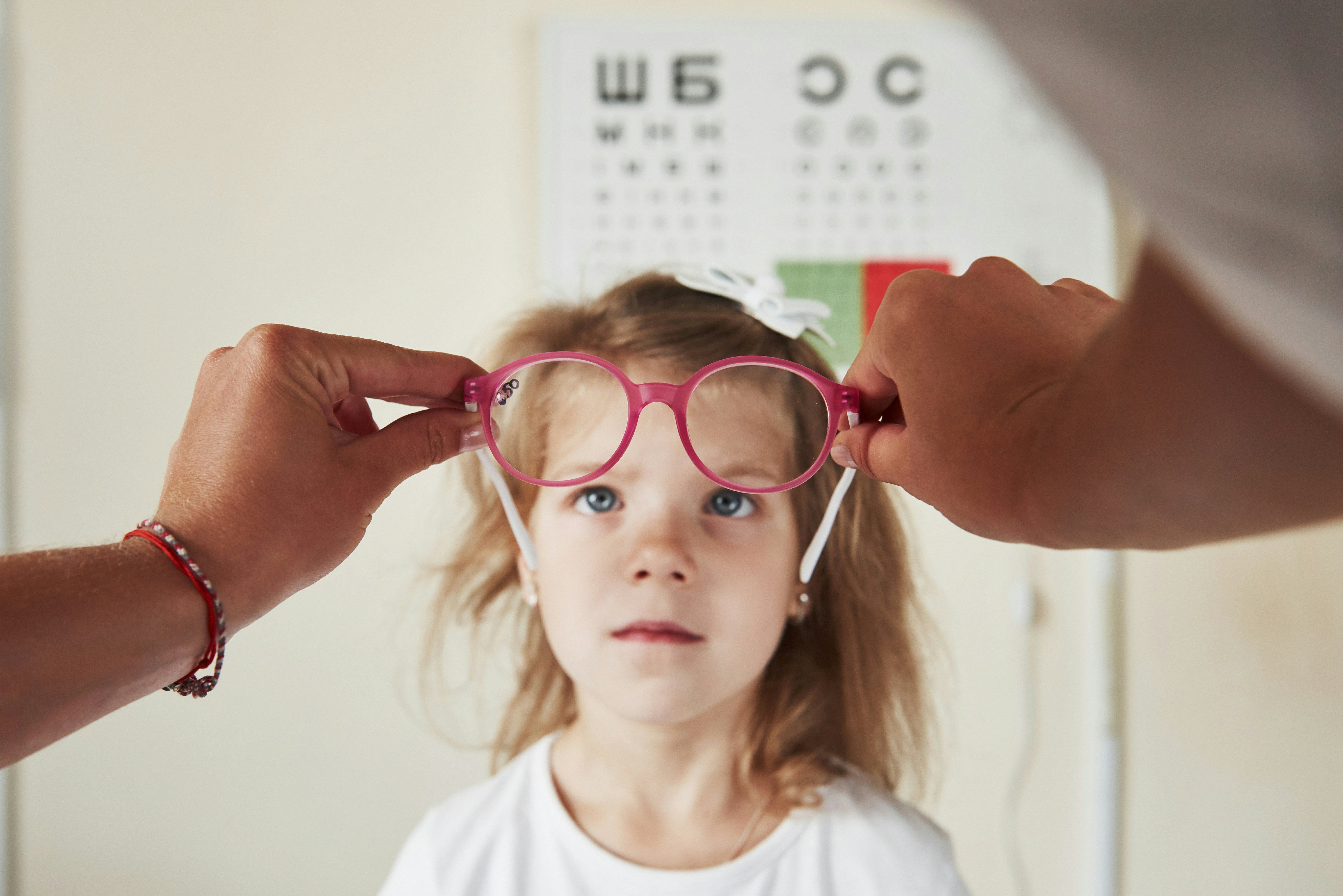
Most children won't tell you their vision is blurry. They don't have a reference point — if they've always seen the world a certain way, they assume everyone sees it the same way. That's why vision problems in children often go undetected for years, quietly affecting their learning, their confidence, and even their behavior.
As a parent, knowing what to watch for can make all the difference. Here are 7 signs that your child may need glasses — and why it's time to book a comprehensive eye exam with Dr. Hue Tran at Cypress Vision Optometry in Cypress, TX.
Sign 1: Squinting
Squinting temporarily improves focus by reducing the amount of light entering the eye. If you regularly notice your child squinting at the TV, the classroom board, or while reading, it's a strong signal that their eyes are working too hard to bring things into focus.
Sign 2: Sitting Very Close to Screens or Holding Books Too Close
Children with myopia (nearsightedness) instinctively gravitate toward objects to make them appear larger and clearer. If your child consistently sits within arm's length of the TV or holds books only inches from their face, their distance vision may not be where it needs to be.
Sign 3: Frequent Headaches
When the eyes work overtime to compensate for a refractive error — especially farsightedness or astigmatism — it causes significant eye muscle fatigue. This often shows up as headaches at the forehead or behind the eyes, typically during or after school. If your child regularly complains of headaches on school days but not weekends, vision is worth investigating.
Sign 4: Losing Their Place While Reading or Skipping Lines
This can indicate issues with eye tracking or convergence — the ability of both eyes to work together. Children with convergence insufficiency or tracking problems often lose their place, skip words, or re-read the same line repeatedly. These are not always signs of dyslexia or a learning disability. Sometimes they're signs of a correctable vision problem.
Sign 5: Excessive Eye Rubbing
Children rub their eyes when they're tired — but if your child is rubbing their eyes frequently throughout the day, especially during focused visual tasks like reading or drawing, it may signal eye strain, dry eye, or a refractive error that needs to be addressed.
Sign 6: Tilting Their Head or Closing One Eye
Head tilting is a way to compensate for poor eye alignment or astigmatism. Closing one eye — especially during screen use — may indicate amblyopia (lazy eye) or a large difference in prescription between the two eyes. Either warrants an immediate evaluation.
Sign 7: Avoiding Reading or Struggling in School
Vision and learning are inseparably linked. If your child is reluctant to read, complains that reading is boring, or is falling behind academically despite effort, vision is one of the first things to rule out. Many children who struggle in school actually have an undetected vision problem. A comprehensive exam should always be part of any learning evaluation.
What About School Vision Screenings?
School vision screenings only test distance vision using a standard eye chart. They do not test for farsightedness, astigmatism, amblyopia, eye teaming problems, or the functional vision skills children rely on for reading and learning. A child can pass a school screening and still have a significant vision problem. The only way to get the full picture is a comprehensive eye exam with a licensed optometrist.
Does my child need glasses if they squint?
Squinting is one of the most common early signs of a vision problem. It doesn't guarantee your child needs glasses, but it absolutely warrants a comprehensive eye exam to find out.
At what age should my child have their first eye exam?
The American Optometric Association recommends the first comprehensive eye exam at 6 to 12 months, again at age 3, and before starting kindergarten. After that, annual exams are recommended throughout the school years.
Can a child pass a school screening and still need glasses?
Yes — and it happens more often than most parents realize. School screenings only test basic distance vision and miss conditions like farsightedness, astigmatism, and eye teaming problems that directly affect learning.
What are signs of vision problems in children?
Squinting, sitting too close to screens, frequent headaches, losing their place while reading, excessive eye rubbing, head tilting, and avoiding reading are all common signs. If you notice any of these, schedule a comprehensive eye exam.
Does insurance cover children's eye exams?
Most major vision insurance plans cover annual comprehensive eye exams for children. Call Cypress Vision Optometry at 832-295-9244 and we'll verify your benefits before your visit.
Ready to find out if your child needs glasses?
Schedule a pediatric eye exam at Cypress Vision Optometry in Cypress, TX. Dr. Hue Tran sees children of all ages and makes every visit fun, thorough, and stress-free.
Book online at cypressvisionopto.com or call 832-295-9244 today.
We proudly serve Cypress, Bridgeland, Towne Lake, Fairfield, Katy, and Northwest Houston.
Helpful Articles
article_category: products
article_category: psychiatry
article_category: faqs
article_category: cats
article_category: general
article_category: services
article_category: technology
article_category: dogs
article_category: restorative
article_category: vision therapy
article_category: contact lenses
article_category: health
article_category: conditions
article_category: eye surgery co-management
article_category: exotic
article_category: cosmetic
article_category: surgical procedures
article_category: aesthetics
article_category: preventative
article_category: ocular disease management
article_category: eyeglasses
article_category: eye health
article_category: large animal
[]
article_category: psychiatry
article_category: faqs
article_category: cats
article_category: general
article_category: services
article_category: technology
article_category: dogs
article_category: restorative
article_category: vision therapy
article_category: contact lenses
article_category: health
article_category: conditions
article_category: eye surgery co-management
article_category: exotic
article_category: cosmetic
article_category: surgical procedures
article_category: aesthetics
article_category: preventative
article_category: ocular disease management
article_category: eyeglasses
article_category: eye health
article_category: large animal
[]
Flowbite is an open-source library of interactive components built on top of Tailwind CSS including buttons, dropdowns, modals, navbars, and more.
Check out this guide to learn how to get started and start developing websites even faster with components on top of Tailwind CSS.
All Eye Care Services
Find personalized eye care excellence with our comprehensive services. From eye exams to advanced diagnostics, trust us for all your vision needs.

Keep In Touch
For non-urgent questions or to learn more about our services, contact us today!
© 2026 Cypress Vision Optometry. All rights Reserved - Accessibility Statement - Privacy Policy - Sitemap
Managed and Designed by 