Protecting Your Eyes from UV Damage and Outdoor Allergens
Protecting Your Eyes from UV Damage and Outdoor Allergens
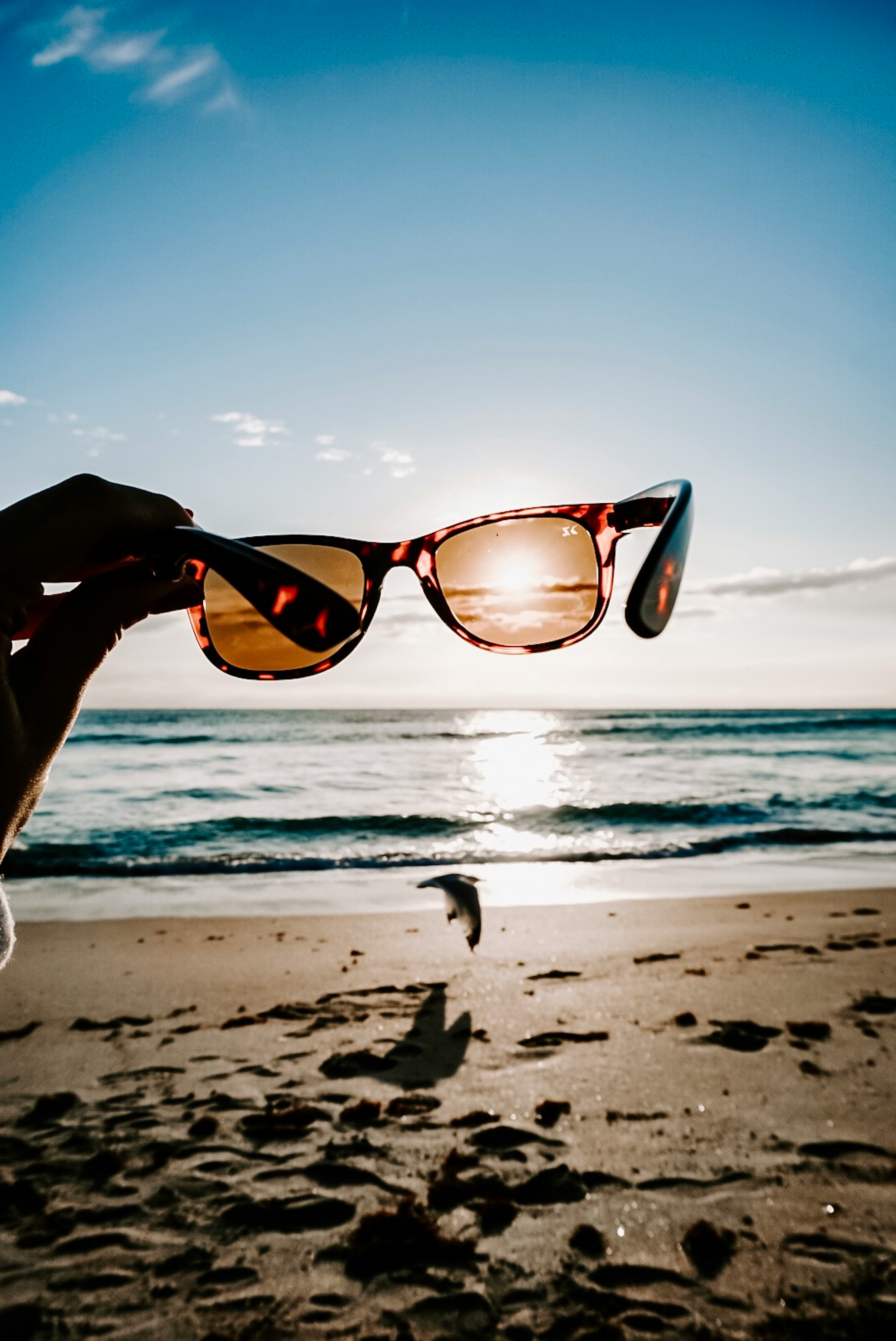
Living in the Cypress, Texas area means enjoying a lot of outdoor time — but it also means dealing with two things your eyes could do without: strong year-round sun and a long allergy season. Both can take a real toll on your eye health if you’re not taking a few basic precautions.
The Sun Damage Most People Don’t Think About
Most of us know sunscreen protects our skin, but far fewer people think about protecting their eyes the same way. Ultraviolet (UV) light can contribute to several eye conditions over time, including:
Cataracts Long-term UV exposure is a known contributor to cataract development, which clouds the eye’s natural lens over time. Learn more in our article on [Understanding Cataracts: Symptoms and Treatment Timeline].
Macular Degeneration UV exposure has also been linked to age-related macular degeneration, a leading cause of vision loss in older adults.
Photokeratitis Sometimes called “sunburn of the eye,” this painful, temporary condition results from intense, unprotected UV exposure — think a day at the lake or on the water without sunglasses.
Pterygium and Pinguecula These are growths on the surface of the eye, often linked to prolonged sun exposure, that can cause irritation and, in some cases, affect vision.
How to Protect Your Eyes from the Sun
Wear sunglasses that block 100% of UVA and UVB rays. Not all sunglasses offer real UV protection — check the label, not just the tint.
Choose wraparound styles when possible. They block more peripheral light than standard frames.
Don’t forget a wide-brimmed hat. It adds an extra layer of protection, especially for midday sun.
Protect kids’ eyes, too. Children spend more time outdoors than adults on average, and their eyes let in more UV light. Kid-sized sunglasses matter more than parents often realize.
Allergy Season and Your Eyes
If itchy, watery, red eyes are a familiar spring and fall companion, you’re not alone. The Cypress area’s mix of pollen, mold, and dust can trigger significant eye irritation, especially for patients already prone to dry eye. Related reading: [Understanding Dry Eye: Causes and Treatment Options].
Common allergy-related eye symptoms include:
Itching or burning
Redness
Watery or teary eyes
Swollen eyelids
A gritty, sandy feeling
Managing Allergy Eye Symptoms
Avoid rubbing your eyes. It feels good in the moment but tends to make inflammation worse.
Use preservative-free artificial tears. These help flush allergens from the eye’s surface.
Try a cold compress. This can reduce swelling and soothe irritation.
Keep windows closed during high-pollen days, and consider a HEPA air filter indoors.
Wash your hands and face after spending time outdoors, especially before touching your eyes.
Talk to your doctor about allergy eye drops. Over-the-counter options work for many people, but persistent symptoms may need a prescription-strength solution.
When to See an Eye Doctor
Most sun exposure and allergy symptoms are manageable at home, but you should schedule an exam if you experience:
Vision changes
Persistent pain, not just irritation
Symptoms that don’t improve with over-the-counter treatment
Sensitivity to light that lingers for more than a day or two
Any growth or discoloration on the surface of the eye
How Cypress Vision Optometry Can Help
Whether it’s diagnosing dry eye aggravated by allergens, monitoring early signs of sun-related eye conditions, or simply recommending the right eye protection for your lifestyle, our doctors are here to help you enjoy the outdoors without paying for it later. [Internal link: Dry Eye Treatment]
[Schedule Your Eye Exam Today »]
Helpful Articles
article_category: products
article_category: psychiatry
article_category: faqs
article_category: cats
article_category: general
article_category: services
article_category: technology
article_category: dogs
article_category: restorative
article_category: vision therapy
article_category: contact lenses
article_category: health
article_category: conditions
article_category: eye surgery co-management
article_category: exotic
article_category: cosmetic
article_category: surgical procedures
article_category: aesthetics
article_category: preventative
article_category: ocular disease management
article_category: eyeglasses
article_category: eye health
article_category: large animal
[]
article_category: psychiatry
article_category: faqs
article_category: cats
article_category: general
article_category: services
article_category: technology
article_category: dogs
article_category: restorative
article_category: vision therapy
article_category: contact lenses
article_category: health
article_category: conditions
article_category: eye surgery co-management
article_category: exotic
article_category: cosmetic
article_category: surgical procedures
article_category: aesthetics
article_category: preventative
article_category: ocular disease management
article_category: eyeglasses
article_category: eye health
article_category: large animal
[]
Flowbite is an open-source library of interactive components built on top of Tailwind CSS including buttons, dropdowns, modals, navbars, and more.
Check out this guide to learn how to get started and start developing websites even faster with components on top of Tailwind CSS.
All Eye Care Services
Find personalized eye care excellence with our comprehensive services. From eye exams to advanced diagnostics, trust us for all your vision needs.

Keep In Touch
For non-urgent questions or to learn more about our services, contact us today!
© 2026 Cypress Vision Optometry. All rights Reserved - Accessibility Statement - Privacy Policy - Sitemap
Managed and Designed by 