
Understanding Cataracts: Symptoms and Treatment Timeline
Understanding Cataracts: Symptoms and Treatment Timeline
Cataracts are one of the most common age-related eye conditions — so common, in fact, that most people will develop some degree of cataract if they live long enough. Despite how widespread they are, many patients don’t fully understand what a cataract actually is, or what to expect once one is diagnosed.
Here’s what you need to know.
What Is a Cataract?
A cataract is a clouding of the eye’s natural lens, which sits behind the iris and pupil. In a healthy eye, this lens is clear, allowing light to pass through and focus properly on the retina. As a cataract develops, the lens becomes increasingly cloudy, causing vision to appear blurry, hazy, or dim — similar to looking through a foggy window.
What Causes Cataracts?
Age is the leading factor — proteins in the lens naturally break down and clump together over time, causing clouding. Other contributing factors include:
Prolonged UV exposure (see our related article on [Protecting Your Eyes from UV Damage and Outdoor Allergens])
Diabetes
Smoking
Certain medications, particularly long-term steroid use
Previous eye injury or surgery
Family history
Common Symptoms
Cataracts typically develop gradually, which is part of why they can go unnoticed for a while. Common symptoms include:
Blurry or cloudy vision
Increased difficulty seeing at night
Sensitivity to light and glare, especially from headlights while driving
Colors appearing faded or yellowed
Frequent changes in glasses or contact lens prescription
Double vision in one eye
A feeling of looking through a dirty window that doesn’t clear up with cleaning (because, of course, it isn’t your glasses)
How Cataracts Are Diagnosed
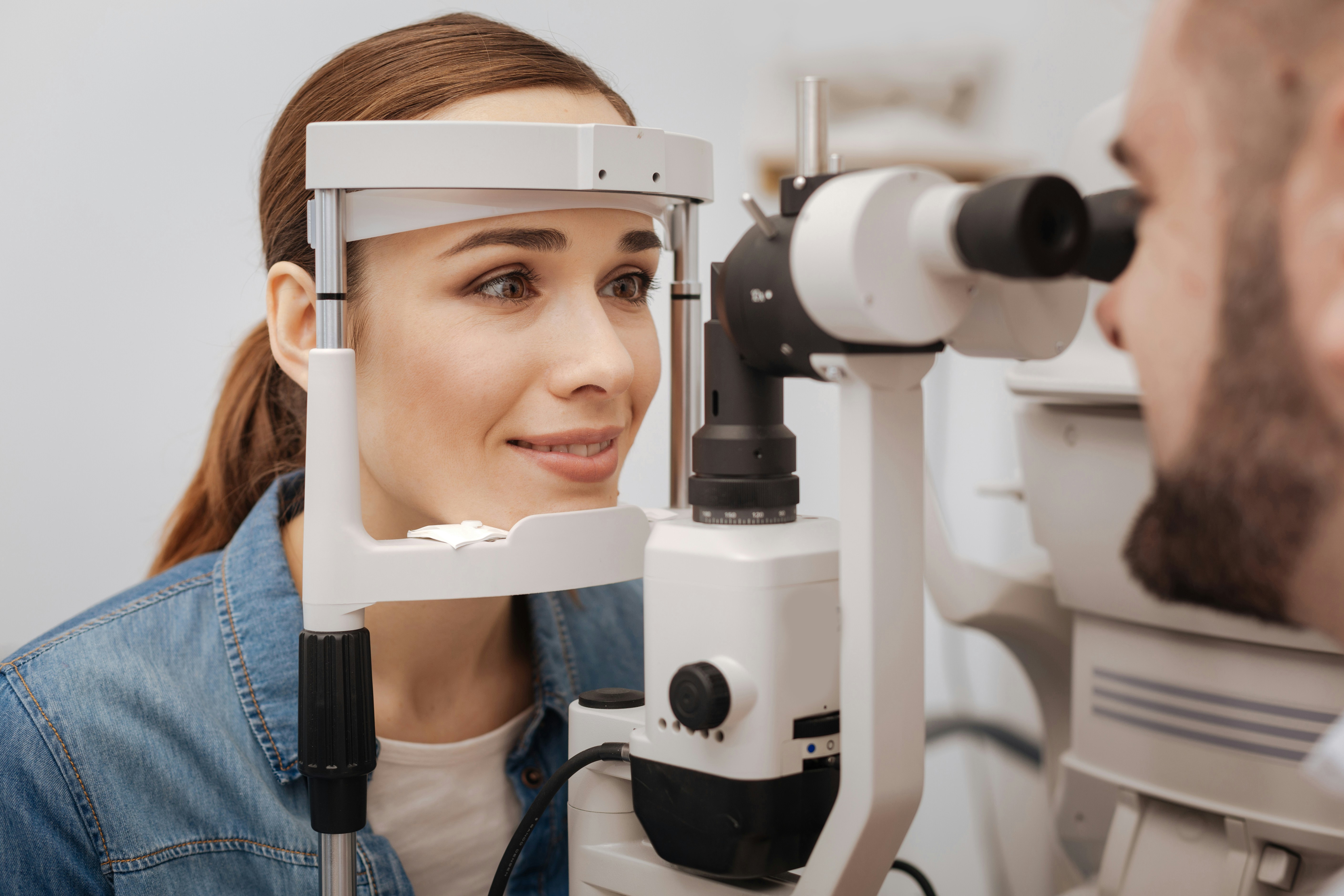
Cataracts are typically identified during a comprehensive eye exam, when your doctor examines the lens using specialized lighting and magnification. Learn more about what a full exam involves in our article on [What Happens During a Comprehensive Eye Exam?] If a cataract is found, your doctor will assess how much it’s affecting your vision and daily life, which helps determine the right timeline for treatment.
The Cataract Treatment Timeline
Early Stage: Monitoring In the early stages, cataracts often don’t require surgery. Your doctor may simply monitor the cataract’s progression at regular exams, and you may find that updated glasses or contact lens prescriptions, brighter reading lights, or anti-glare lenses help manage symptoms in the meantime.
Moderate Stage: Lifestyle Impact As a cataract progresses, it may start affecting daily activities — reading, driving at night, or recognizing faces at a distance. This is typically when patients and doctors begin discussing surgical timing, though there’s rarely a single “right” moment. The decision is based on how much the cataract is affecting your quality of life, not a strict measurement.
Advanced Stage: Surgical Consideration Cataract surgery is one of the most common and safest surgical procedures performed today. It involves removing the clouded natural lens and replacing it with a clear artificial lens (called an intraocular lens, or IOL). Most patients notice significantly improved vision within days of the procedure.
Do All Cataracts Require Surgery?
Not necessarily, and not right away. Many patients live with early-stage cataracts for years with only minor adjustments to their routine. Surgery becomes the recommended path when a cataract significantly impacts vision, safety (such as driving), or daily quality of life — not simply because a cataract has been diagnosed.
Our Role in Your Cataract Care
At Cypress Vision Optometry, we provide ongoing monitoring for cataracts as part of your regular eye exams, helping track any changes over time. When the time is right for surgical consultation, we coordinate with trusted ophthalmology specialists to make the referral process as smooth as possible — and we continue to be part of your care before and after surgery. [Internal link: Eye Disease Management]
When to Schedule an Exam
If you’re noticing any of the symptoms above, or if it’s simply been a while since your last comprehensive exam, don’t wait for symptoms to worsen. Early monitoring gives you and your doctor more options and more time to plan.
[Schedule Your Eye Exam Today »]
Helpful Articles
article_category: products
article_category: psychiatry
article_category: faqs
article_category: cats
article_category: general
article_category: services
article_category: technology
article_category: dogs
article_category: restorative
article_category: vision therapy
article_category: contact lenses
article_category: health
article_category: conditions
article_category: eye surgery co-management
article_category: exotic
article_category: cosmetic
article_category: surgical procedures
article_category: aesthetics
article_category: preventative
article_category: ocular disease management
article_category: eyeglasses
article_category: eye health
article_category: large animal
[]
article_category: psychiatry
article_category: faqs
article_category: cats
article_category: general
article_category: services
article_category: technology
article_category: dogs
article_category: restorative
article_category: vision therapy
article_category: contact lenses
article_category: health
article_category: conditions
article_category: eye surgery co-management
article_category: exotic
article_category: cosmetic
article_category: surgical procedures
article_category: aesthetics
article_category: preventative
article_category: ocular disease management
article_category: eyeglasses
article_category: eye health
article_category: large animal
[]
Flowbite is an open-source library of interactive components built on top of Tailwind CSS including buttons, dropdowns, modals, navbars, and more.
Check out this guide to learn how to get started and start developing websites even faster with components on top of Tailwind CSS.
All Eye Care Services
Find personalized eye care excellence with our comprehensive services. From eye exams to advanced diagnostics, trust us for all your vision needs.

Keep In Touch
For non-urgent questions or to learn more about our services, contact us today!
© 2026 Cypress Vision Optometry. All rights Reserved - Accessibility Statement - Privacy Policy - Sitemap
Managed and Designed by 