
What Happens During a Comprehensive Eye Exam?
What Happens During a Comprehensive Eye Exam?
If it’s been a while since your last eye exam — or if this is your first one in years — it’s normal to wonder what actually happens once you’re in the chair. At Cypress Vision Optometry, we believe patients feel more comfortable (and get more out of their visit) when they know what to expect. Here’s a walkthrough of a typical comprehensive eye exam.
Step 1: Patient History
Before any testing begins, your doctor will ask about your overall health, current medications, family eye health history, and any vision concerns you’ve noticed. This context helps guide the rest of the exam — for example, a family history of glaucoma or a personal history of diabetes changes what your doctor will specifically look for. If you have diabetes, this is also when a more targeted conversation happens; see our article on [Diabetic Eye Exams: What to Expect and Why They Matter].
Step 2: Visual Acuity Testing
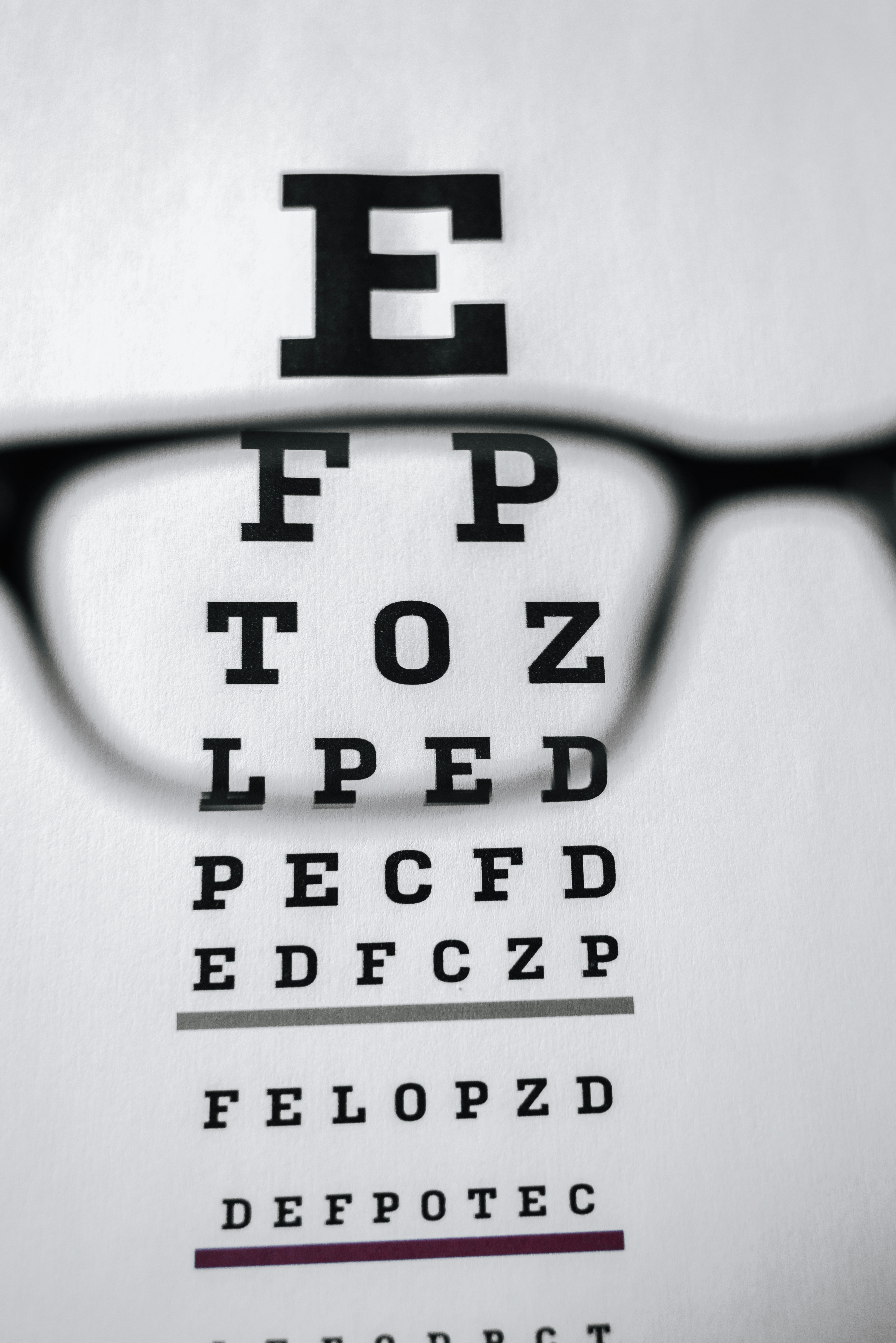
This is the test most people picture when they think of an eye exam — reading letters off a chart at a set distance. It measures how clearly you see at various distances and helps determine whether you need vision correction, and how strong that correction should be.
Step 3: Refraction Assessment
Using a device called a phoropter (the machine with the rotating lenses you look through), your doctor will ask “which is better, one or two?” to fine-tune your exact prescription. This step determines the precise lens power needed for glasses or contacts.
Step 4: Eye Muscle and Alignment Testing
Your doctor will check how well your eyes move and work together, looking for any misalignment or muscle imbalance that could cause double vision, eye strain, or difficulty focusing.
Step 5: Pupil Response Testing
A quick check of how your pupils respond to light helps screen for neurological issues and confirms your eyes are functioning normally.
Step 6: Visual Field Testing
This test measures your peripheral (side) vision and can help detect early signs of glaucoma or other conditions that affect the visual field before you’d notice any symptoms on your own.
Step 7: Eye Pressure Testing (Tonometry)
Using a quick, painless test — often a brief puff of air or a gentle touch instrument — your doctor measures the pressure inside your eye. Elevated eye pressure is a key risk factor for glaucoma.
Step 8: Retinal and Eye Health Examination
Using specialized lighting and, often, digital retinal imaging, your doctor examines the health of your retina, optic nerve, and blood vessels at the back of your eye. This step is critical for catching early signs of glaucoma, macular degeneration, diabetic retinopathy, and other conditions — often before any symptoms appear. Some patients may have their pupils dilated for a more thorough view.
Step 9: Discussion of Results
This is where a good exam becomes a great one. Rather than handing you a prescription and sending you out the door, your doctor should walk you through what they found, answer your questions, and explain any recommendations clearly. If something needs monitoring or follow-up, you should leave understanding exactly why.
Step 10: Next Steps
Depending on your results, this might mean updating your glasses or contact lens prescription, scheduling a follow-up for a specific concern, or simply confirming you’re due back in a year. Learn more about how often you should be scheduling exams in [How Often Should You Get an Eye Exam?]
How Long Does It Take?
Most comprehensive eye exams take 30 to 45 minutes, though it can run longer if additional testing or a dilated exam is needed. We build appointment time to make sure you’re never rushed through the process.
Why a Comprehensive Exam Matters More Than a Quick Vision Check
Many people assume an eye exam is only about updating a prescription, but a comprehensive exam is really a broader health screening. Conditions like diabetes, high blood pressure, and even certain autoimmune diseases can show early signs in the eyes before they’re detected elsewhere. [Internal link: Comprehensive Eye Exams]
Ready to See What We’ll Find?
Whether it’s your first comprehensive exam or your fifteenth, our team is here to make the process thorough, comfortable, and genuinely informative.
[Schedule Your Eye Exam Today »]
Helpful Articles
article_category: products
article_category: psychiatry
article_category: faqs
article_category: cats
article_category: general
article_category: services
article_category: technology
article_category: dogs
article_category: restorative
article_category: vision therapy
article_category: contact lenses
article_category: health
article_category: conditions
article_category: eye surgery co-management
article_category: exotic
article_category: cosmetic
article_category: surgical procedures
article_category: aesthetics
article_category: preventative
article_category: ocular disease management
article_category: eyeglasses
article_category: eye health
article_category: large animal
[]
article_category: psychiatry
article_category: faqs
article_category: cats
article_category: general
article_category: services
article_category: technology
article_category: dogs
article_category: restorative
article_category: vision therapy
article_category: contact lenses
article_category: health
article_category: conditions
article_category: eye surgery co-management
article_category: exotic
article_category: cosmetic
article_category: surgical procedures
article_category: aesthetics
article_category: preventative
article_category: ocular disease management
article_category: eyeglasses
article_category: eye health
article_category: large animal
[]
Flowbite is an open-source library of interactive components built on top of Tailwind CSS including buttons, dropdowns, modals, navbars, and more.
Check out this guide to learn how to get started and start developing websites even faster with components on top of Tailwind CSS.
All Eye Care Services
Find personalized eye care excellence with our comprehensive services. From eye exams to advanced diagnostics, trust us for all your vision needs.

Keep In Touch
For non-urgent questions or to learn more about our services, contact us today!
© 2026 Cypress Vision Optometry. All rights Reserved - Accessibility Statement - Privacy Policy - Sitemap
Managed and Designed by 