Your Child’s Eye Exam: Detecting Myopia, Allergies, and Pink Eye Early
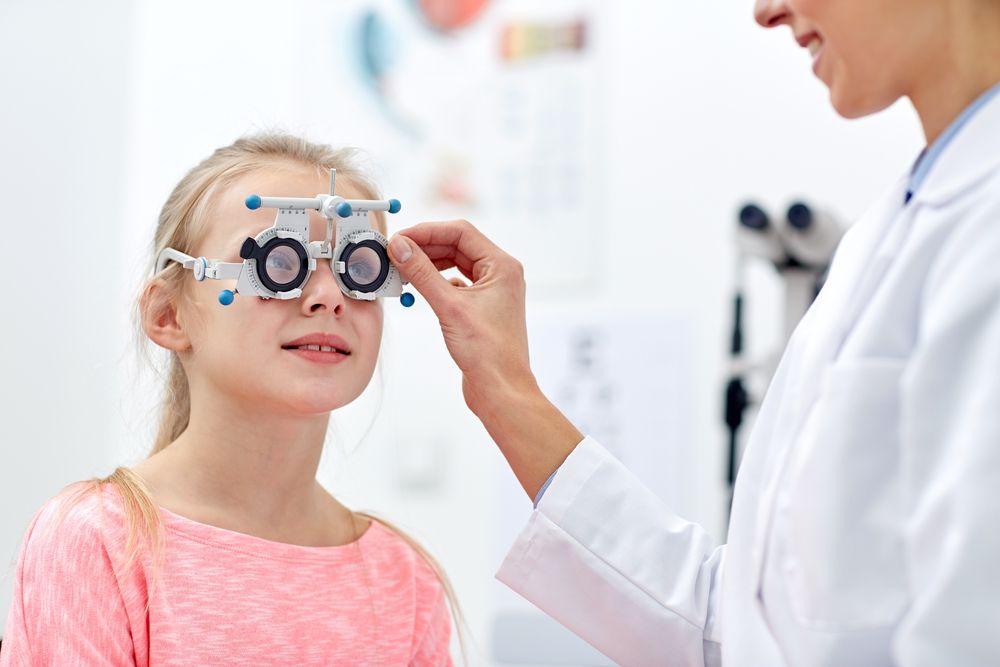
Parents often prioritize pediatric checkups and dental visits, but eye care is just as important for a child’s health and development. Clear vision plays a key role in learning, reading, and everyday activities, yet many children may not realize they have vision problems. Comprehensive eye exams at Cypress Vision Optometry help detect issues early, including common childhood conditions such as myopia (nearsightedness), eye allergies, and infections like pink eye, before they begin to affect a child’s comfort or school performance. Understanding when to schedule eye exams and what signs to watch for can help parents protect their child’s long-term vision and eye health.
When Children Should Have Their First Eye Exam
Vision screenings at school or the pediatrician’s office can help identify obvious issues, but they are not a replacement for a comprehensive eye exam with an optometrist.
The recommended schedule for children’s eye exams includes:
First comprehensive eye exam: between 6 and 12 months old
Second exam: around age 3
Before starting school: around age 5 or 6
School-age children: every year, or as recommended by your optometrist
These visits allow an optometrist to check visual clarity, eye alignment, focusing ability, and overall eye health. Even if a child does not complain about vision problems, early exams can reveal issues that might otherwise go undetected.
Signs of Vision Problems in Kids
Children often assume everyone sees the way they do, which means they may not report blurry vision or other problems. Parents and teachers are often the first to notice behaviors that may signal a vision issue.
Common signs include:
Squinting frequently
Holding books or devices very close to the face
Sitting too close to the television
Complaints of headaches or eye strain
Difficulty concentrating on reading or schoolwork
Losing their place while reading
Rubbing the eyes frequently
Tilting the head or covering one eye to see better
If you notice any of these signs, scheduling a comprehensive eye exam can help determine whether a vision condition is present.
Myopia Progression and How Stellest Lenses Can Help
One of the most common vision conditions detected during childhood eye exams is myopia (nearsightedness). Children with myopia can see objects clearly up close but have difficulty seeing things at a distance, such as classroom boards or road signs. Myopia often develops during the school years and can worsen as a child grows.
Early management is important because higher levels of myopia are linked to a greater risk of eye health problems later in life. One option for managing myopia progression is Stellest lenses. These specialized eyeglass lenses not only correct blurry distance vision but are also designed to help slow the progression of myopia in children.
By using advanced lens technology that influences how the eye focuses and grows, Stellest lenses can be an effective part of a long-term myopia management plan when introduced early. During a child’s eye exam, the optometrist can determine whether Stellest lenses are an appropriate option based on the child’s prescription and visual needs.
How to Recognize Pink Eye vs. Eye Allergies
Children frequently experience eye irritation caused by infections or allergies. Two common causes of red eyes are pink eye (conjunctivitis) and eye allergies, and understanding the difference can help parents respond appropriately.
Pink eye is usually caused by bacteria or viruses and can spread easily in schools or daycare settings. Symptoms often include:
Red or pink coloring in the white of the eye
Sticky discharge or crusting on the eyelids
Watery eyes
Burning or irritation
Eyelids sticking together after sleep
Because pink eye can be contagious, prompt diagnosis and treatment are important.
Eye allergies, on the other hand, occur when the eyes react to allergens such as pollen, dust, or pet dander. Symptoms commonly include:
Intense itching
Redness
Excess tearing
Puffy eyelids
Sensitivity to light
Unlike pink eye, allergy symptoms usually affect both eyes and may occur along with sneezing or nasal congestion. An eye exam can help identify the exact cause and guide the most effective treatment.
Why Routine Eye Exams Catch These Issues Early
Children’s eyes change rapidly as they grow, which is why regular eye exams are essential. Routine visits allow optometrists to monitor vision development and detect potential problems before they become more serious.
Comprehensive exams can identify early signs of myopia progression, eye coordination issues, allergic eye conditions, and infections like pink eye. Detecting these issues early allows for timely treatment that supports clear vision, comfort, and academic success.
Schedule Your Child’s Eye Exam at Cypress Vision Optometry
A child’s first eye exam is an important step in protecting their vision and supporting healthy development. Comprehensive exams help detect common childhood conditions such as myopia, allergies, and pink eye before they begin to interfere with learning or daily life.
If your child has not yet had a comprehensive eye exam or you have noticed signs of vision problems, Cypress Vision Optometry is here to help. Visit our office in Cypress, Texas or schedule an appointment online today.
Helpful Articles
article_category: products
article_category: psychiatry
article_category: faqs
article_category: cats
article_category: general
article_category: services
article_category: technology
article_category: dogs
article_category: restorative
article_category: vision therapy
article_category: contact lenses
article_category: health
article_category: conditions
article_category: eye surgery co-management
article_category: exotic
article_category: cosmetic
article_category: surgical procedures
article_category: aesthetics
article_category: preventative
article_category: ocular disease management
article_category: eyeglasses
article_category: eye health
article_category: large animal
[]
article_category: psychiatry
article_category: faqs
article_category: cats
article_category: general
article_category: services
article_category: technology
article_category: dogs
article_category: restorative
article_category: vision therapy
article_category: contact lenses
article_category: health
article_category: conditions
article_category: eye surgery co-management
article_category: exotic
article_category: cosmetic
article_category: surgical procedures
article_category: aesthetics
article_category: preventative
article_category: ocular disease management
article_category: eyeglasses
article_category: eye health
article_category: large animal
[]
Flowbite is an open-source library of interactive components built on top of Tailwind CSS including buttons, dropdowns, modals, navbars, and more.
Check out this guide to learn how to get started and start developing websites even faster with components on top of Tailwind CSS.
All Eye Care Services
Find personalized eye care excellence with our comprehensive services. From eye exams to advanced diagnostics, trust us for all your vision needs.

Keep In Touch
For non-urgent questions or to learn more about our services, contact us today!
© 2026 Cypress Vision Optometry. All rights Reserved - Accessibility Statement - Privacy Policy - Sitemap
Managed and Designed by 