
Your First Diabetic Eye Exam in Cypress: What to Bring and What to Expect
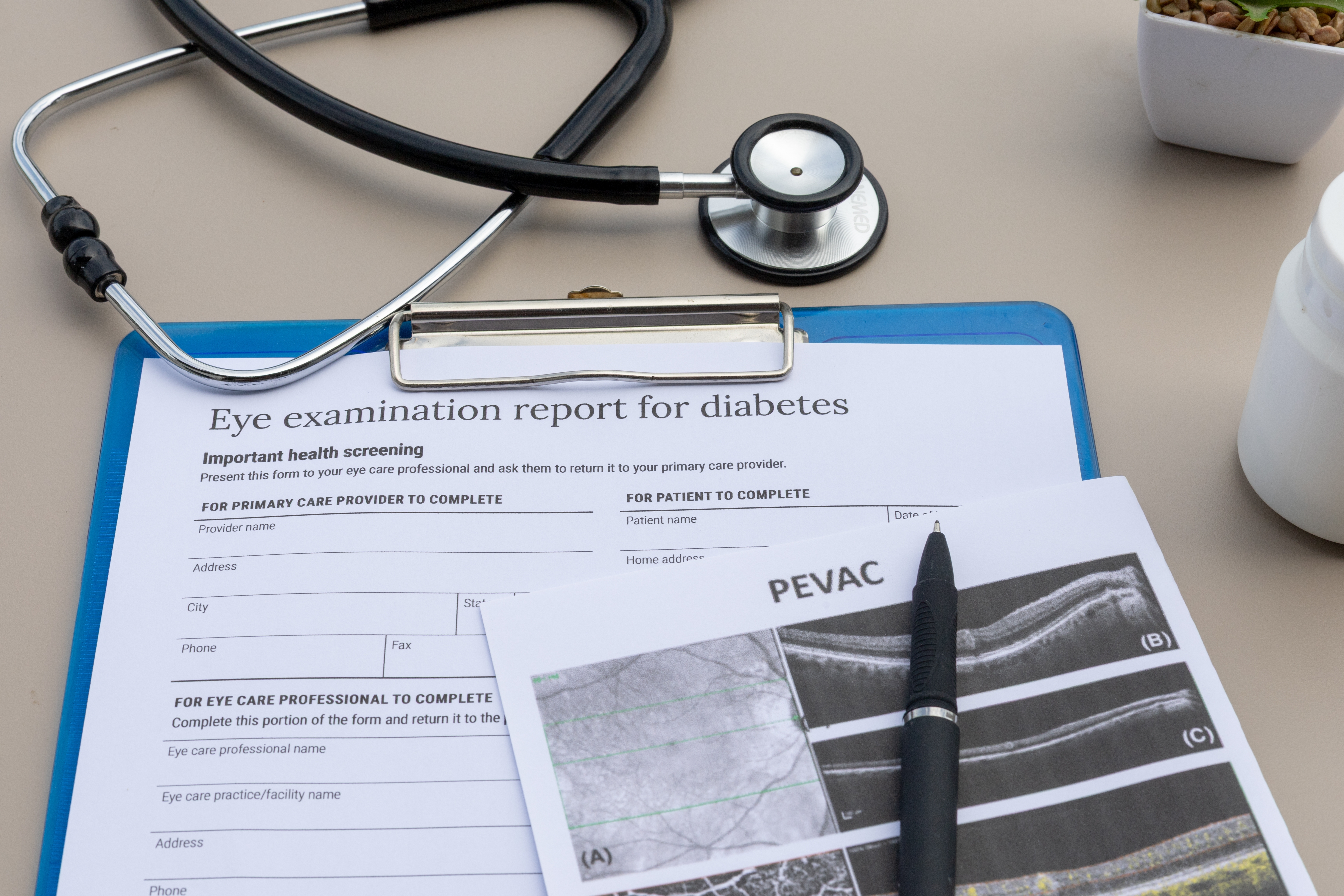
If you have diabetes and are scheduling your first diabetic eye exam, knowing what to expect can make the appointment easier. Diabetes can affect the small blood vessels in the retina, sometimes before you notice any change in your vision. Regular eye care helps monitor for diabetic retinopathy and other eye health changes that may develop over time.
At Cypress Vision Optometry, we provide diabetic eye exams in Cypress, TX, as part of our medical eye care services. Preparing a few details about your health, medications, and previous eye care can help us better understand your individual risk factors.
What Should You Bring to Your Appointment?
Your diabetic eye exam looks at more than whether you need glasses. Your overall health history provides important context, particularly when monitoring conditions associated with diabetes.
Before your Cypress appointment, gather:
A current list of prescription medications, over-the-counter medications, and supplements
Your most recent A1C result, if you know it
The approximate date you were diagnosed with diabetes
Contact information for your primary care doctor or diabetes specialist
Previous eye examination records, if available
Your current glasses and contact lens information
Notes about any recent changes in your vision
Information about previous eye procedures or known eye conditions
Do not worry if you do not have every item. Bring whatever information is readily available, and do not stop or change medications unless the healthcare professional managing them instructs you to do so.
What Happens During a Diabetic Eye Exam?
Your visit may begin with a review of your medical history, diabetes management, medications, and current vision symptoms. We may also measure your visual acuity, check whether your glasses prescription has changed, and evaluate the overall health of your eyes.
An important part of diabetic eye care is examining the retina, the light-sensitive tissue at the back of the eye. Diabetes can damage retinal blood vessels and lead to diabetic retinopathy.
Your eye doctor may recommend dilation to obtain a more complete view of the retina when clinically appropriate. Digital retinal imaging can also provide useful documentation and help monitor changes over time, but imaging does not automatically replace dilation when a wider retinal examination is needed.
What Symptoms Should You Mention?
Diabetic retinopathy may develop without noticeable symptoms in its early stages, so feeling that your vision is normal does not mean an examination is unnecessary.
Still, tell us if you have experienced blurry or fluctuating vision, new floaters, difficulty seeing at night, changes in color or contrast, or unexplained changes in your prescription.
Blood sugar fluctuations can temporarily affect focusing and vision as well. If your sight seems clearer on some days and blurrier on others, mention that pattern during your Cypress diabetic eye exam.
Why Regular Monitoring Matters
The purpose of diabetic eye exams is to identify changes early and determine whether monitoring, additional testing, or referral is needed.
Your recommended exam schedule depends on factors such as your type of diabetes, previous retinal findings, pregnancy status when applicable, overall health, and recommendations from your healthcare providers. Some patients need more frequent follow-up than others.
Cypress Vision Optometry also evaluates for other eye conditions that may occur independently of diabetes, including glaucoma, cataracts, and other retinal concerns.
Know When Vision Changes Need Prompt Attention
Do not wait for your next routine diabetic eye exam if you suddenly lose vision, develop a new curtain-like shadow, experience a sudden increase in flashes or floaters, or notice another major change in your sight. These symptoms require prompt professional evaluation.
If you are preparing for your first diabetic eye exam in Cypress, schedule an appointment with Cypress Vision Optometry at 20725 Tuckerton Rd., Suite 500, Cypress, TX 77433 by calling (832) 295-9244.
Helpful Articles
All Eye Care Services
Find personalized eye care excellence with our comprehensive services. From eye exams to advanced diagnostics, trust us for all your vision needs.

Keep In Touch
For non-urgent questions or to learn more about our services, contact us today!
© 2026 Cypress Vision Optometry. All rights Reserved - Accessibility Statement - Privacy Policy - Sitemap
Managed and Designed by 